
The Evolution of the "White Paper"
Release time:
2021-10-06 14:36


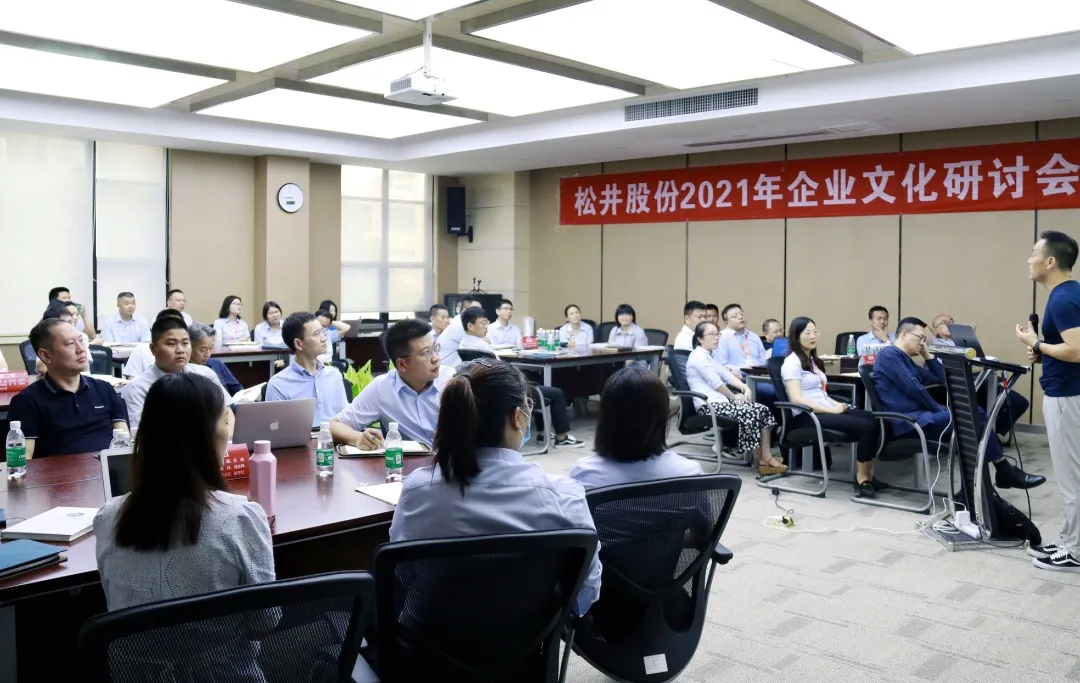
From July 9 to 10, the company held a corporate culture upgrade seminar in the large conference room of the Phase II R&D building at the Ningxiang headquarters. The seminar was hosted by Dr. Sun Jianyao from New Advantages, with a total of 53 participants including Matsui executives, general managers of subsidiaries, and representatives of corporate culture executives.
This seminar was divided into four themes: discussion on cultural concept upgrades, discussion on parent-child cultural management, discussion on corporate culture implementation models, and discussion on corporate culture branding. The aim was to comprehensively review the company's journey in practicing corporate culture and to conduct a thorough upgrade of the "Sharp Culture" concept.
【Clarifying the Purpose】
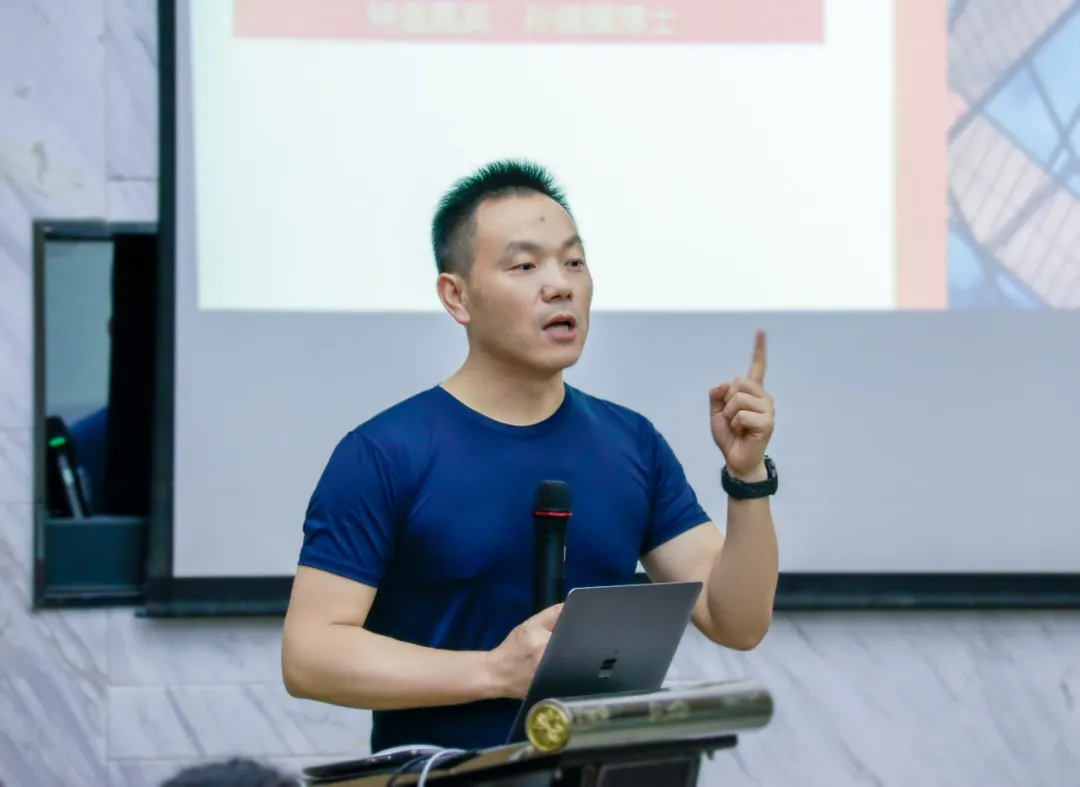
| Chairman Brian's Speech |
Before the seminar began, Chairman Brian profoundly explained the necessity and significance of organizing a corporate culture seminar again, based on the fundamental experiences of the Communist Party of China over the past century. He pointed out that the purpose of the corporate culture seminar is to unify the organization's thoughts, as only thoughts can determine actions, and actions can determine results. At this critical juncture of Matsui's second entrepreneurship, reorganizing corporate culture deepens the understanding of the "Sharp Culture" concept system, while reflecting on the "Sharp Culture" concept system for organizational, team, and individual introspection, which has far-reaching significance for ensuring that all subsidiaries and teams operate on the same track.
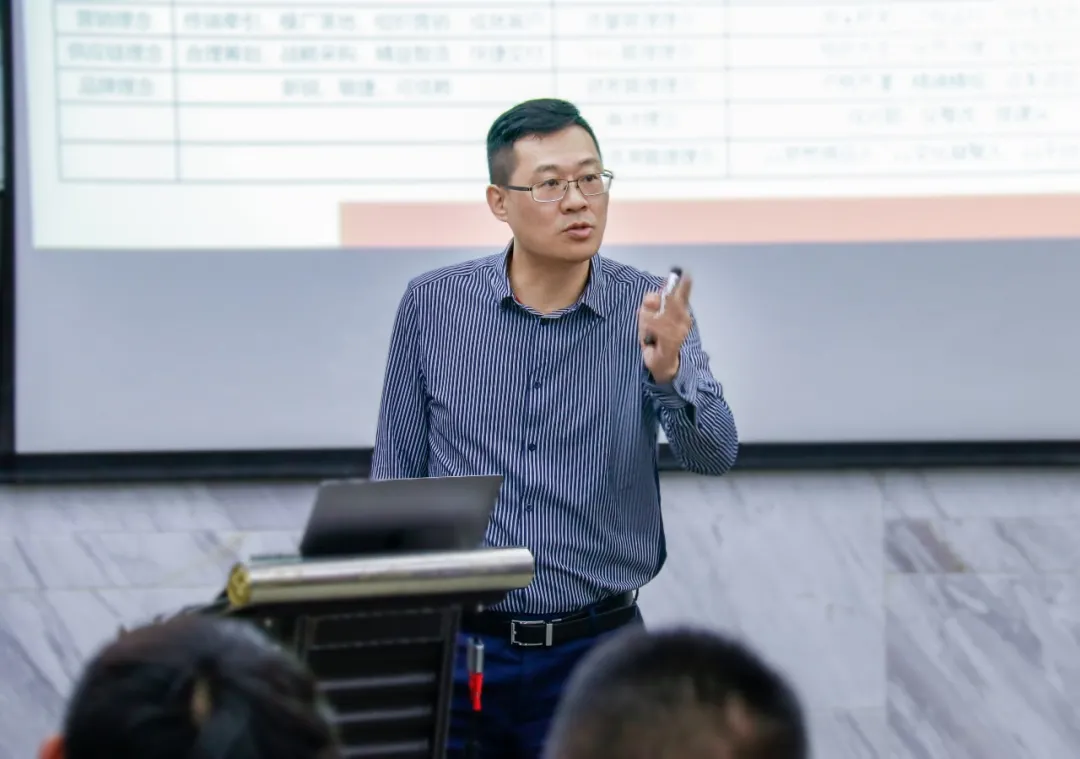
| Dr. Sun Hosts |
What is corporate culture upgrade? Dr. Sun pointed out that it is a process that starts from concept upgrades, to thought upgrades, mechanism upgrades, and finally to behavior upgrades, continuously upgrading through exploration and reflection, leading changes through perceiving and anticipating changes.
【Theme One: Discussion on Cultural Concept Upgrades】
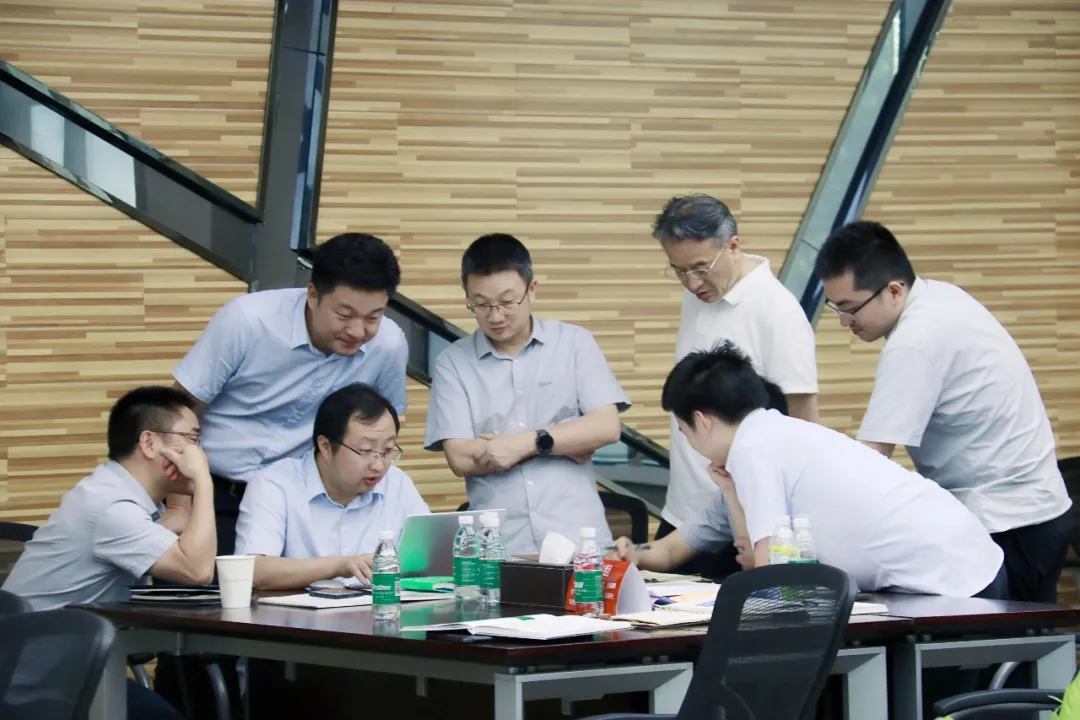
| Group Discussions |
With the continuous expansion of Matsui's business areas and the growth of its scale, the "Sharp Culture" concept system must also adapt to the changing times by adding or removing conceptual elements and optimizing the interpretation of concepts. After intense discussions and collective voting among the groups, the meeting decided to add investment concepts, digital concepts, auditing concepts, group management concepts, and brand concepts to the existing system.
At the same time, based on a full understanding of the existing concept connotations and in light of future development trends, the meeting adjusted and confirmed the interpretations of existing and newly added concept elements, making their connotations more precise, actions clearer, and practical guidance stronger. For example, the vision was adjusted from "becoming a leader in the global high-end consumer goods coating field" to "becoming a global leader in the field of new functional coating materials"; the corporate spirit was simplified from six major spirits of "gratitude, simplicity, focus, responsibility, detail, teamwork" to four major spirits of "gratitude, simplicity, responsibility, collaboration," etc.
【Theme Two: Discussion on Parent-Child Cultural Management】
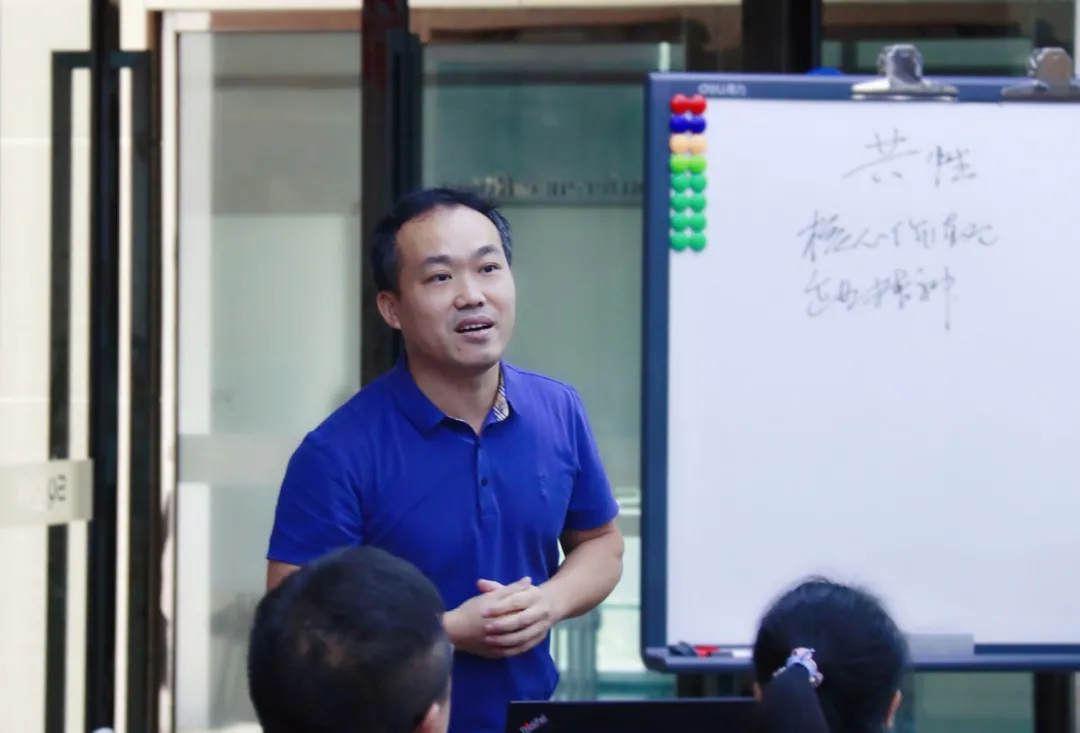
| Group Representatives Share Discussion Results |
Based on the characteristics of different types of subsidiaries and teams, and in conjunction with the choice of group control models, the meeting conducted in-depth discussions on which concepts must be strictly followed by the parent company and which characteristic concepts can be developed by the subsidiaries. Cultural unity does not mean cultural uniformity; while emphasizing commonality, it also encourages the development of individual characteristics. On this ideological basis, the meeting determined that, in addition to maintaining commonality in mission, core values, corporate spirit, financial concepts, EHS concepts, digital concepts, and auditing concepts, other concepts can implement differentiated cultural management principles based on their characteristics.
【Theme Three: Discussion on Corporate Culture Implementation Models】
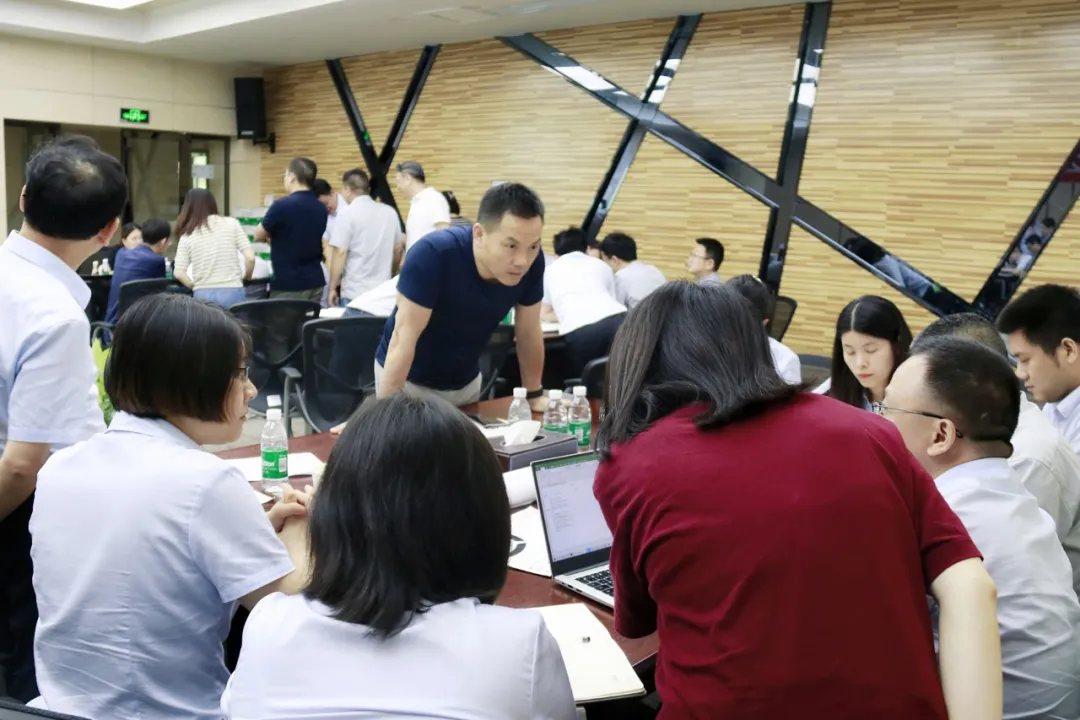
| On-Site Brainstorming |
Concepts are derived from practice and also act on practice. Based on the needs of company management and the actual situation of concept implementation, participants at the meeting considered good practices in corporate culture construction from both team and organizational levels, reflecting on various dimensions such as managers, employees, strategic planning, policy systems, and effective continuous execution. They summarized many excellent experiences. At the team level, for example, enhancing the evaluation of talent values and the practice of values; at the organizational level, for example, formulating five-year plans and annual management plans based on mission and vision and actual situations, rolling adjustments, increasing reviews before policy issuance and annual audits after issuance, etc.
【Theme Four: Discussion on Corporate Culture Branding】

| Summary of Group Discussion Results |
What are the characteristics of Matsui culture? Is it necessary to create a Matsui culture brand? How to create a Matsui culture brand to make it a powerful tool for our continued success in the market? In the last topic of the meeting, each group conducted in-depth discussions on corporate culture branding and reached a consensus on the necessity of corporate culture branding and dissemination.
【Meeting Summary】
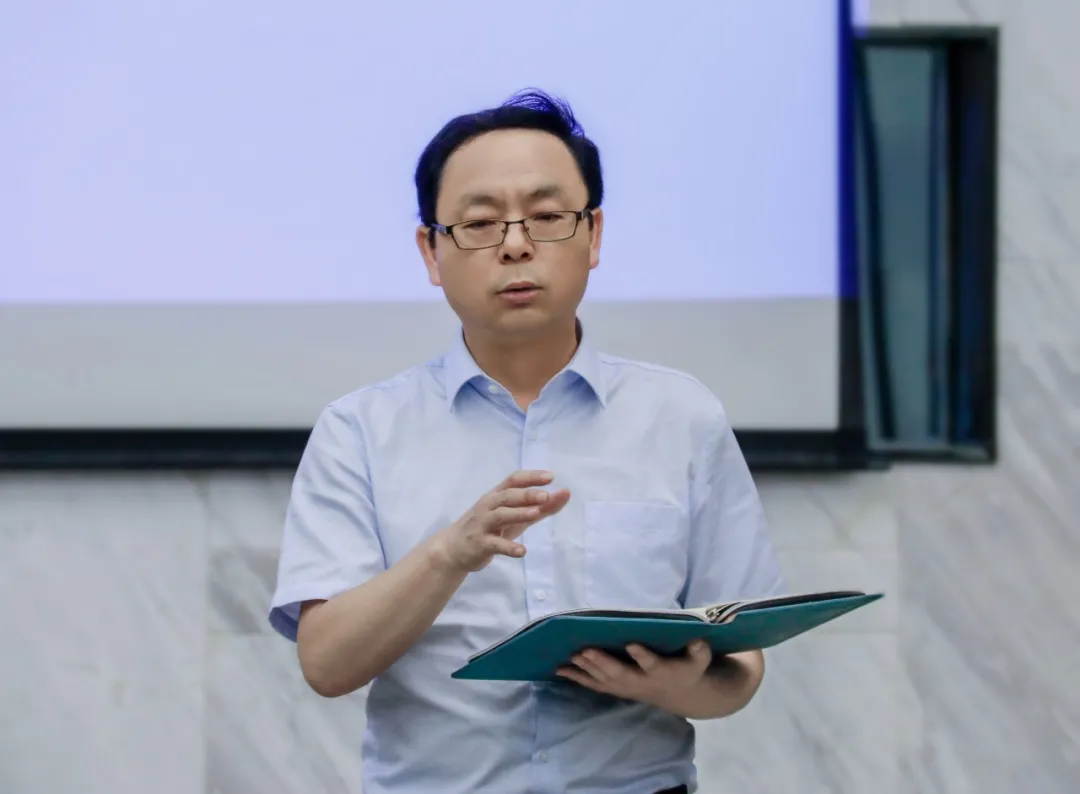
| Executive Vice President Jason Summarizes the Meeting |
At the end of the meeting, Executive Vice President Jason summarized the seminar: he stated that this seminar strengthened the understanding of the systematic nature of corporate culture. From mission, vision, core values, corporate spirit, to execution concepts at various levels, and then to the company's strategy, operations, processes, and business results, the team unified its basic understanding throughout the process, laying a foundation for unified actions. At the same time, some models and methodologies for corporate culture construction were identified, which have far-reaching implications for the company's development.
Great undertakings require a correct theoretical system for guidance, and the Matsui corporate culture manual is the theoretical guide for Matsui's journey towards great success. We need to strengthen our understanding of concepts (including internal logic and relationships) and firmly practice them, continuously researching and reflecting during the practice process to enrich and improve our theoretical system, so that we can go further and more steadily.
In just four days of discussions, from reviewing the practice of corporate culture to upgrading cultural concepts, parent-child cultural management, exploring corporate culture implementation models, and discussing corporate culture branding, we have added more color and filled in more details within the "outline" of Matsui culture, thinking from the future and enriching the elements and interpretations of culture. Based on over a decade of exploration, we will continue to explore in the future during the process of upgrading the "Sharp Culture" concept and solidifying the implementation of the "Sharp Culture," forming new knowledge and experience accumulation to promote the realization of the company's strategy, mission, and vision.
Latest Color & Trends/CMF
Everyone is searching.
Address: Economic and Technological Development Zone, Ningxiang City, Changsha City, Hunan Province
This website already supports IPV4 / IPV6 bidirectional access